eCommerce Analytics That Actually Help You Sell More
Quick answer: Ecommerce analytics tells you whether your website is actually selling, not just getting visited. If you’re spending on Google Ads or Meta Ads and you’re still not happy with the sales coming out the other end, the answer is usually already sitting inside your Google Analytics and Shopify data. Most business owners never look deep enough to find it.
The problem: most business owners never look past the surface
Plenty of businesses have analytics set up. Almost none of them use it properly. Most owners glance at a traffic graph once a month, maybe check where visitors came from, and call it done.
That’s a shame, because the data that actually matters, the data that tells you whether your marketing spend is working, is sitting one click deeper than that. As a result, most businesses are flying blind on the one question that matters most: is this website turning visitors into paying, repeat customers?
Your website should work like a salesperson
Think about a good salesperson on a shop floor. They notice when someone’s interested but hesitant. They know what objection to address next. They can tell the difference between a browser and a buyer, and they adjust accordingly.
Your website needs to do the same job, at scale, without a human standing there. A visitor typically moves through a few stages: they become aware they have a problem, then aware there are solutions to it, then they start comparing you against competitors, and finally they decide to buy. If they like what they got, they come back.
Ecommerce analytics is how you check whether your site is actually doing that job. Not whether people are showing up. Whether they’re being sold to properly once they arrive.
How customers actually decide to buy from you
Especially for bigger purchases, people don’t just land on a product page and buy. They check you out first. They look at your Google Business Profile reviews. They Google your brand name. Some go looking on Reddit or forums for an honest opinion. Others watch a YouTube or TikTok review before they trust a product enough to commit.
Your own site plays a part in that too, through reviews, blog content, and comparison information. Analytics shows you whether people are actually finding and using that reassurance, or whether they’re leaving to go find it somewhere else and never coming back.
What your analytics actually tell you
Instead of just glancing at monthly traffic, the more useful questions are:
- Which pages are converting, and which ones are quietly leaking people out the door?
- Are people coming back for a second visit before they buy, or is every visitor a one-and-done?
- How much of your traffic is returning, and are you giving them a reason to?
- Is the marketing spend you’re putting in actually turning into sales, and then into repeat customers?
This isn’t a call to become a data analyst overnight. It’s a case for looking at the handful of numbers that actually explain what’s happening between the click and the sale.
A real example: when “the ads aren’t working” wasn’t the real problem
We recently worked with a client running strong Facebook and Google Ads. Performance felt disappointing, and the instinct was to make more content, faster, to try to fix it.
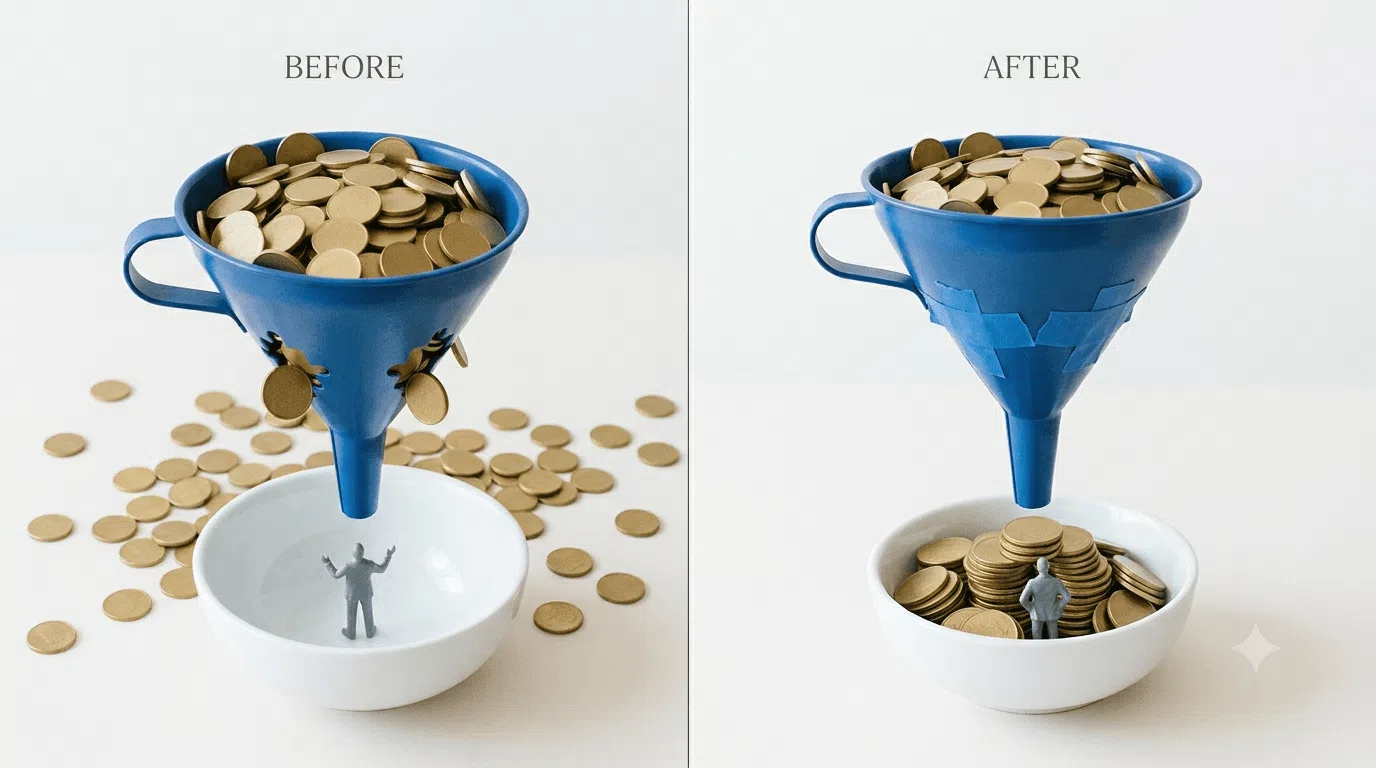
When we looked at the actual data in Google Analytics and Shopify, the ads weren’t the problem. The landing page people were arriving on was. It was flat and didn’t do enough to build a case for the product over the alternatives.
We reworked the page, including adding real reviews and comparison content, so it did more of the convincing the ads had already earned the right to. The result was four times as many people converting through that same promotion, without spending another dollar on ads or producing a single extra piece of content. The traffic was never the issue. What happened after the click was.
Why most businesses struggle to read their own analytics
Here’s the honest bit: most business owners aren’t data analysts, and they shouldn’t have to be. Google Analytics is a genuinely powerful tool, but it’s not built to be intuitive for someone running a Shopify store, not a marketing department.
That’s the gap we help close. Our analytics coaching exists to help business owners translate what the data is telling them into decisions, without needing a data science degree to get there. It sits inside our broader 8-Week Shopify Growth Marketing Training, because reading your numbers properly is one piece of a much bigger picture.
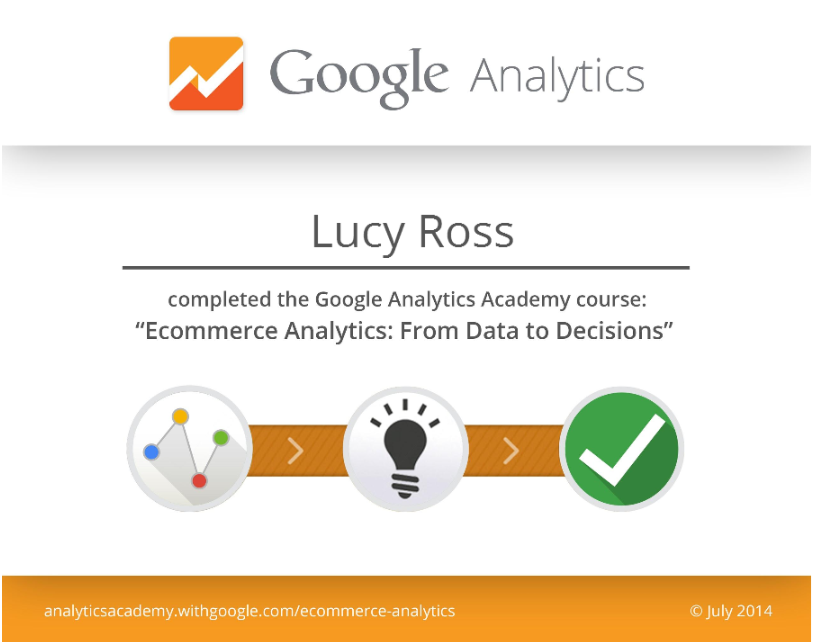
A quick note on why this matters to us personally: I sat the original Google Analytics certification exam back in 2014, long before GA4, Enhanced Ecommerce, or most of the tools we use today existed. The platform has changed completely since then. The core question hasn’t: is your website actually turning visitors into customers, or just traffic?
What to do with this
If you’re spending on Google Ads or Meta Ads and you’re not happy with the profit coming out the other end, the fix usually isn’t more budget or more content. It’s understanding what’s happening on the page between the click and the sale. Our landing page breakdown and measurement plan guide go further into what that actually looks like in practice.
Frequently asked questions
How do I know if my ecommerce website is actually converting visitors into customers?
Traffic numbers alone won’t tell you. You need to look at what visitors do after they land: which pages they convert on, whether they return before buying, and whether your marketing spend is translating into sales rather than just clicks.
What’s the difference between website traffic and ecommerce analytics?
Traffic tells you how many people showed up. Ecommerce analytics tells you what they did once they got there, whether the page convinced them, and whether they came back. One is a headcount. The other explains whether your website is actually doing its job.
Why isn’t my Google Ads or Meta Ads spend turning into profit?
Often the ads are doing their job of bringing the right people to your site, and the real gap is what happens after the click. A landing page that doesn’t build a strong enough case for the product will waste good traffic every time.
Do I need to be a data analyst to understand my ecommerce analytics?
No. You need to know which handful of numbers actually matter for your business and what they’re telling you. That’s a translation problem, not a technical one, and it’s exactly what analytics coaching is for.
Should I look at Google Analytics or Shopify Analytics?
Both tell you different parts of the same story. Shopify shows you what happened with orders and revenue. Google Analytics shows you the behaviour that led there, so you can see where people dropped off before they bought.
If you’ve read this and you’re not confident your website is doing its job as a salesperson, that’s worth finding out properly rather than guessing. If you’re not happy with the results you’re getting from your current ads or growth marketing, a Business Scalability Audit shows us whether, and how, we can help you get where you’re trying to go. If you’d rather learn to read your own data and make these calls yourself, our analytics coaching is built for exactly that. Either way, we look at what’s happening after the click. We don’t just run ads and clip the ticket.
Book a Business Scalability Audit